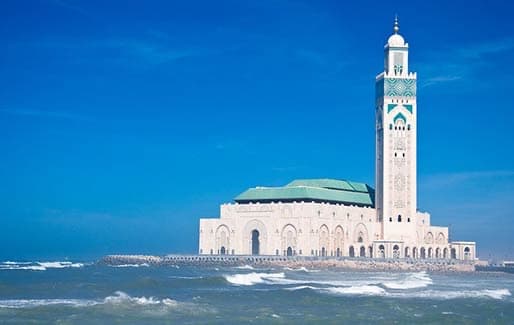
When is the best time to visit Casablanca, the largest city and economic center of Morocco, is a hub of contemporary Moroccan culture and historic port settlement? It boasts cosmopolitan restaurants, theaters, and galleries, one of the world’s largest mosques, and a vibrant nightlife. The best time to visit is from June to August when the weather is warm and sunny, and there are fewer tourists than in other Moroccan cities such as Fez, Marrakesh, Meknes, and Rabat. Moreover, many of the city’s best festivals, including the Festival de Casablanca and Jazzablanca, take place during summer.
The climate in Casablanca
Casablanca enjoys a Mediterranean climate, with mild, rainy winters and hot, dry summers. Summer temperatures are less hot than the cities in the southern interior, thanks to the Atlantic’s cool Canary Current. The city experiences an average of 72 rainy days per year, with the wettest month being December and the driest being July and August. The hottest month is August, with average highs of 79 degrees F (26 degrees C). On the other hand, the coldest month is January, with average lows of 49 F (9 C).
Casablanca’s Busiest Periods
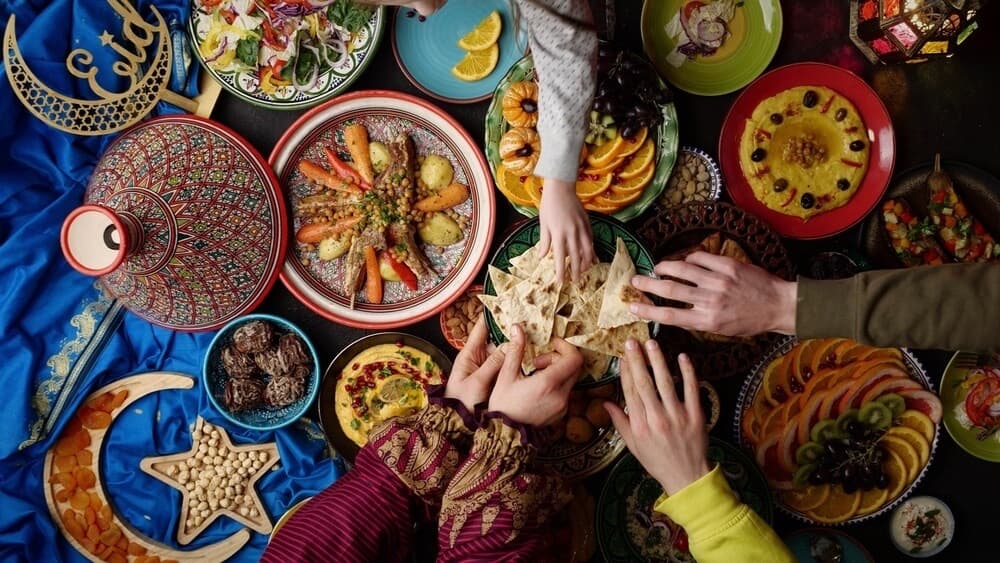
Casablanca does not experience as much international tourism as other Moroccan destinations. However, during national and school holidays, there is an influx of domestic visitors to the city. Many Moroccans choose Casablanca as their vacation destination during the two main vacation periods for Moroccan schoolchildren: one week at the end of January and two weeks in spring (usually around the end of March/beginning of April). During Eid al-Fitr, the three-day national holiday that marks the end of the month-long Ramadan fast, there is also an increase in Moroccan visitors.
The Largest Events in Casablanca
For those not concerned about the weather or crowds, Casablanca hosts several internationally renowned festivals that may influence trip planning. Festival de Casablanca, held annually in July or August, attracts more than 2.5 million festival-goers for a celebration of Moroccan music, cinema, and urban art. Jazzablanca, held annually in April, is another long-running festival showcasing jazz artists from around the world.
Seasons in Casablanca
Spring in Casablanca
Spring, from March to May, offers mild temperatures with a daily mean ranging from 60 F (16 C) in March to 65 F (18 C) in May. Rainfall is less likely than in winter, although visitors can still expect around seven rainy days per month. It’s an ideal time to visit for those who want to avoid the hotter temperatures of summer and plan to explore the Old Medina and the Quartier Habous. However, school holidays mean that accommodation fills up quickly at the end of March/beginning of April.
Summer in Casablanca
Summer, from June to August, brings ideal temperatures for outdoor activities such as strolling the Corniche or picnicking on the beach. The daily mean ranges from 70 F (21 C) in June to 74 F (23 C) in August, and rain is highly unlikely. Although this is the busiest time to be at the seaside, it is still less crowded than other Moroccan cities. Additionally, the coast is pleasantly cooler than Marrakesh at this time of year.
Fall in Casablanca
(September through November) is an excellent time to visit Casablanca, as the weather is mild and comfortable, with temperatures ranging from 79.5°F (26.4°C) to 66°F (18.9°C). The humidity and wind create a pleasant atmosphere for outdoor activities. The city experiences moderate rainfall, ranging from two to seven days per month. This period is the slowest for tourism, so you can expect affordable hotel rates and less crowded attractions.
Winter in Casablanca
(December through February) is the coolest and wettest time of year in Casablanca, with average high temperatures ranging from 67.2°F (19.6°C) to 62.6°F (17°C). You can expect rainfall or snowfall of around four to seven times per month. However, the weather is still mild compared to many other destinations, making it an excellent time for sightseeing and exploring the city's rich cultural heritage. This period is the second busiest for tourism, so prices for accommodation and other activities may be higher.
Conclusion
In conclusion, each season has its own advantages and disadvantages for visiting Casablanca. Spring and fall are ideal for sightseeing and outdoor activities, while summer is less crowded and relatively inexpensive. Winter may be wetter, but it's still an excellent time to explore the city's attractions. Consider your preferences and travel style when planning your Casablanca trip, and make the most of this vibrant Moroccan city.