Do You Have to Wear a Headscarf in Morocco? A Complete Guide for Travelers
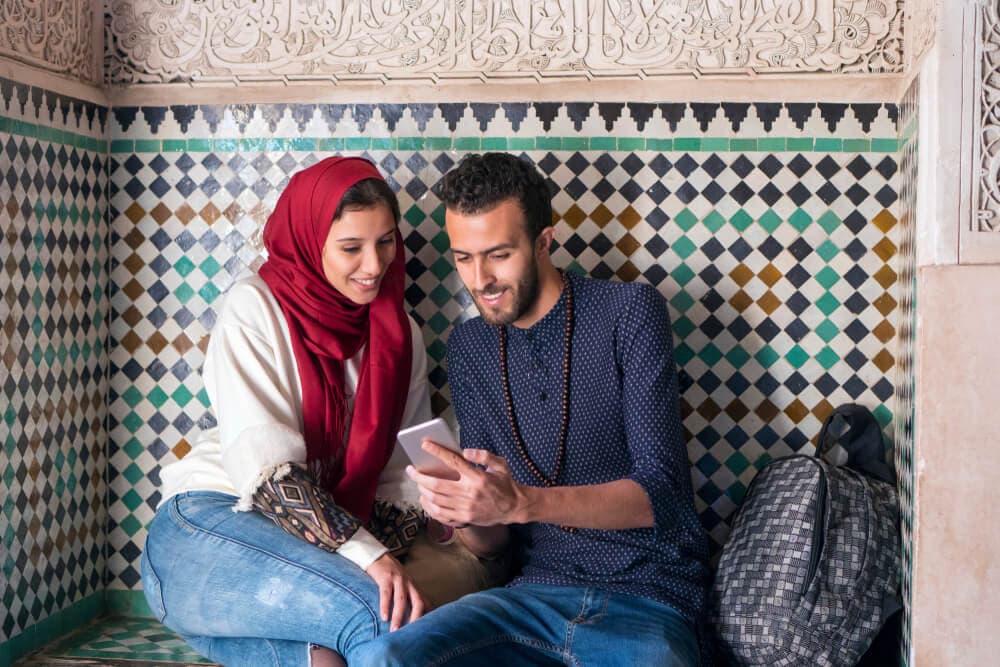
No, you do not have to wear a headscarf in Morocco. Unlike some other Muslim-majority countries, Morocco does not require women, whether locals or tourists, to cover their hair. You will see many Moroccan women wearing headscarves as a personal or religious choice, but just as many go without one, especially in larger cities like Casablanca, Marrakech, Rabat, and Agadir.
However, while wearing a headscarf is not mandatory, there are a few situations where covering your hair might be appreciated or expected. Let’s dive deeper into when and why you might consider wearing a headscarf in Morocco.
When Should You Wear a Headscarf in Morocco?
Although it’s not obligatory, there are some situations where wearing a headscarf is recommended or more culturally appropriate:
1. Visiting Religious Sites
If you plan to visit a mosque or a religious area (like a shrine or a tomb), it’s respectful to cover your hair, even if it’s not strictly required. Keep in mind that most mosques in Morocco are not open to non-Muslims, with the notable exception of the Hassan II Mosque in Casablanca.
-
Tip: Always carry a lightweight scarf in your bag to cover your head when needed.
-
Dress Code: Long sleeves, modest clothing, and covered hair are appreciated.
2. Rural and Conservative Areas
In rural regions or smaller towns, local customs are often more conservative than in major cities. You may feel more comfortable and respectful if you wear a headscarf, as local women are more likely to be covered.
-
Examples: Towns in the Atlas Mountains, Berber villages, or conservative coastal areas.
-
Tip: Observe how local women dress and follow their example to show respect.
3. Special Occasions or Religious Celebrations
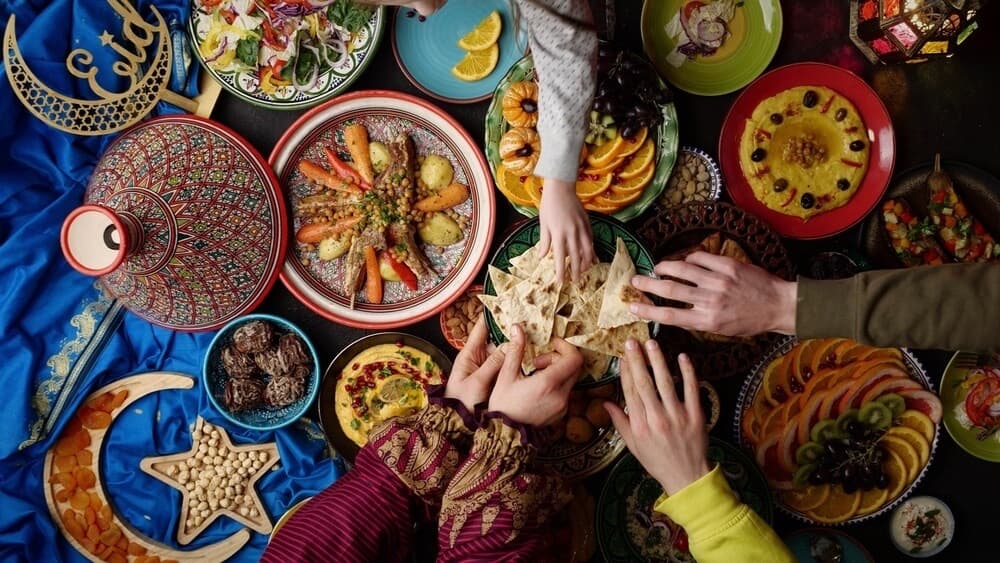
During important religious holidays like Eid al-Fitr or Eid al-Adha, covering your hair as a sign of respect might be appreciated, especially if you are invited to a family gathering or a local event.
Where Are Headscarves Not Necessary?
In most modern and tourist-friendly areas, covering your hair is not expected or necessary. Places where you can comfortably go without a headscarf include:
-
Cities: Casablanca, Marrakech, Rabat, Tangier, Agadir
-
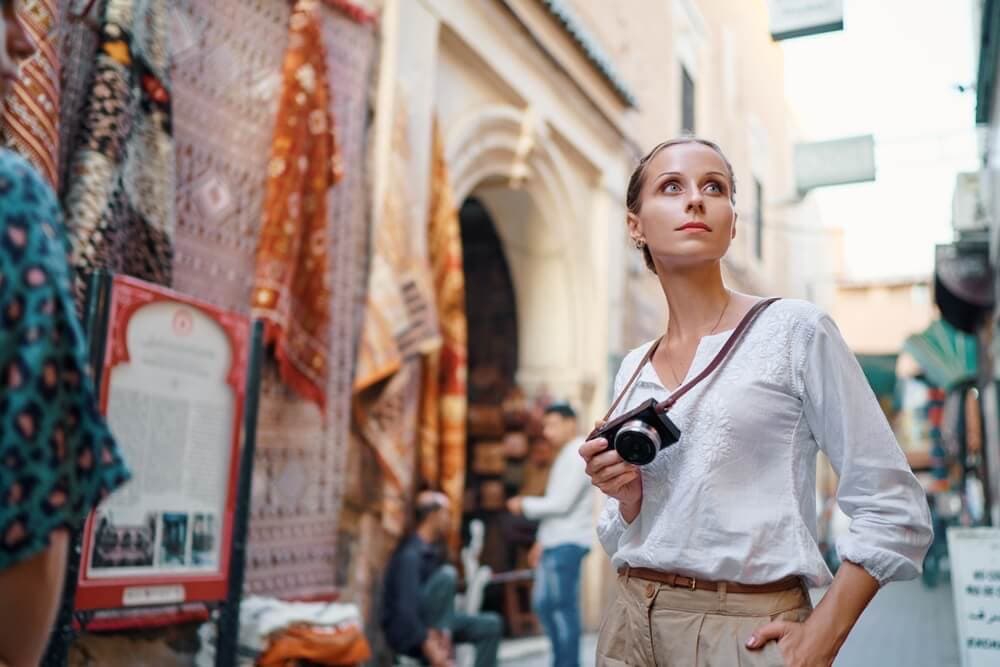
Tourist Spots: Medina markets, museums, beach resorts, shopping malls
-
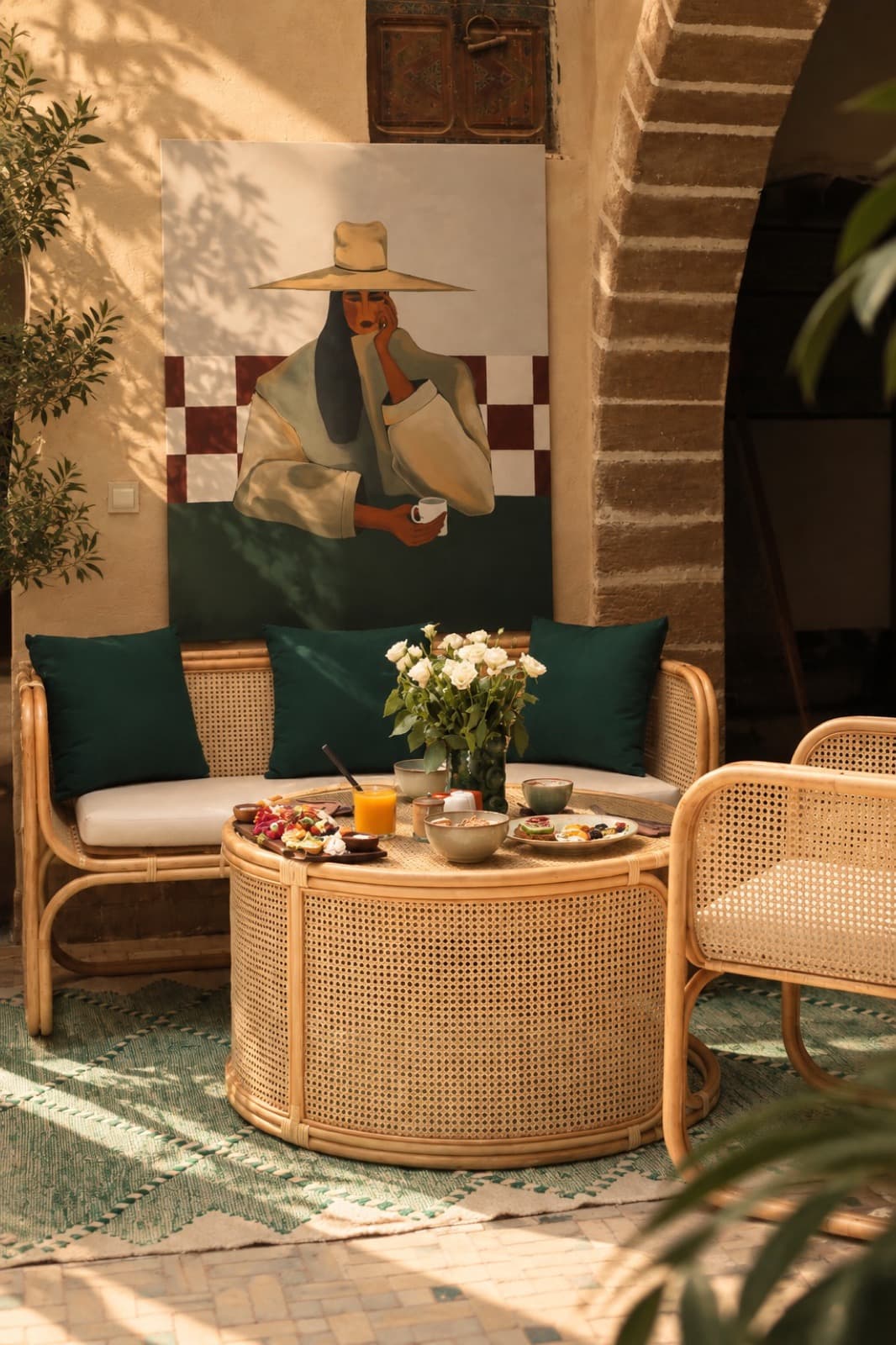
Hotels and Riads: Tourist accommodations are relaxed about dress codes.
In these places, wearing a headscarf is entirely optional and typically not expected from tourists.
What About Dressing Modestly?
Even though headscarves are not mandatory, dressing modestly is highly recommended. Morocco is a Muslim-majority country where showing too much skin can attract unwanted attention.
Tips for Modest Dressing:
-
Cover Your Shoulders and Knees: Tops with sleeves and skirts or trousers that cover the knees are ideal.
-
Loose and Flowy Clothing: Not only comfortable in warm weather, but also culturally appropriate.
-
Lightweight Scarf: Even if you don’t wear it on your head, a scarf can cover your shoulders or serve as a shawl.
-
Avoid Revealing Outfits: Crop tops, short shorts, and low-cut tops may not be suitable in many areas.
Why Don’t Moroccan Women All Wear Headscarves?
Morocco is known for its diversity in terms of traditions, languages, and cultures. Moroccan women’s choices around headscarves vary greatly depending on personal beliefs, lifestyle, and social environment.
Urban vs. Rural Differences:
-
Urban Areas (like Casablanca or Marrakech): Many women do not wear headscarves and dress more liberally.
-
Rural and Conservative Areas: Women are more likely to wear traditional attire, including headscarves.
Cultural and Religious Choices:
For some women, wearing a headscarf is a reflection of their faith and identity. For others, it may not hold the same significance, especially among the younger generation in cities.
Should You Wear a Headscarf to Avoid Unwanted Attention?
While it’s true that dressing modestly can help reduce unwanted attention, wearing a headscarf does not necessarily shield you from it. Instead, focus on wearing loose and modest clothing that aligns with local norms. Confidence and respectful behavior are just as important as your choice of attire.
How to Tie a Simple Headscarf
If you choose to wear a headscarf in Morocco, here’s a simple way to tie it:
-
Fold the Scarf in a Triangle: Start by folding your scarf diagonally.
-
Place on Your Head: Position the long edge along your forehead.
-
Wrap and Tuck: Bring the ends under your chin and tie them at the back of your neck or wrap them around to the front and tuck them in.
-
Adjust as Needed: Make sure it’s comfortable and secure.
A lightweight, breathable fabric like cotton or chiffon works best, especially in warm weather.
Final Thoughts: Be Comfortable and Respectful
Ultimately, the decision to wear a headscarf in Morocco is entirely up to you. While it’s not required, having a scarf on hand is practical for situations where modesty is expected or when visiting religious sites.
By dressing modestly and showing cultural awareness, you’ll not only feel more comfortable but also foster positive interactions with locals. Morocco is a beautiful and welcoming country, and making thoughtful choices about your attire will enhance your travel experience.
If you have more questions about Moroccan customs or need travel tips, feel free to ask!