StayHere
Discovering the Architectural Beauty of Medersa Ben Youssef in Marrakech

Discovering the Architectural Beauty of Medersa Ben Youssef in Marrakech

Nestled in the heart of Marrakech's bustling Medina lies an architectural gem, the Medersa Ben Youssef. This stunning 16th-century Islamic school is not only one of the largest in North Africa but als

Discovering the Architectural Beauty of Medersa Ben Youssef in Marrakech
Nestled in the heart of Marrakech's bustling Medina lies an architectural gem, the Medersa Ben Youssef. This stunning 16th-century Islamic school is not only one of the largest in North Africa but also a prime example of the intricate craftsmanship and beauty of Moroccan architecture. Dive into the rich history and awe-inspiring design of Medersa Ben Youssef, and discover why it continues to enchant visitors from around the world.
A Brief History of Medersa Ben Youssef

The origins of Medersa Ben Youssef can be traced back to the 14th century when it was founded by the Marinid Sultan Abu al-Hassan. However, it was under the reign of the Saadian Sultan Abdallah al-Ghalib in the 16th century that the school reached its current grandeur. Over the years, the Medersa has undergone several restorations, with the most recent one in the 1950s, ensuring that its beauty and historical significance are preserved for future generations.

The Marinid Dynasty and the Founding of the Medersa

The Marinid Dynasty ruled Morocco from the 13th to the 15th century and was responsible for the construction of several medersas throughout the country. These Islamic schools played a crucial role in spreading education and promoting intellectual pursuits during their reign. The Medersa Ben Youssef was originally established to serve as a center for learning and religious activities, fostering the growth of knowledge and the development of Moroccan society.

The Saadian Dynasty and the Expansion of the Medersa

When the Saadian Dynasty took control of Morocco in the 16th century, they embarked on an ambitious plan to expand and renovate the Medersa Ben Youssef. Sultan Abdallah al-Ghalib invested heavily in the project, transforming the school into the magnificent structure that stands today. The renovation and expansion not only increased the capacity of the Medersa but also served as a symbol of the Saadian Dynasty's commitment to promoting education and religious teachings.

The Alaouite Dynasty and the Preservation of the Medersa

The Alaouite Dynasty, which has ruled Morocco since the 17th century, has also played a significant role in preserving the Medersa Ben Youssef. Under their reign, the Medersa has undergone multiple restorations and repairs, ensuring that the structure remains a testament to the architectural brilliance and cultural importance of the school. The Alaouite Dynasty's dedication to preserving Morocco's historical sites has contributed to the continued relevance and allure of the Medersa Ben Youssef.

Exploring the Lavish Courtyard and Prayer Hall

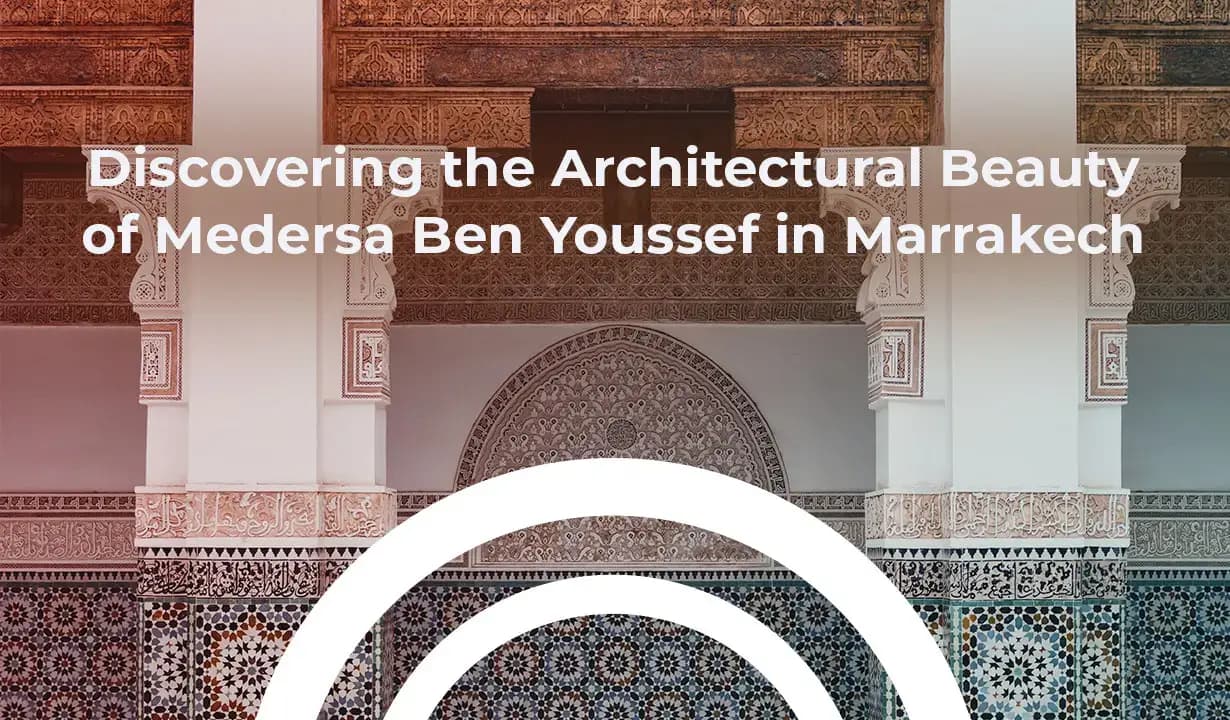
As you step through the entrance of Medersa Ben Youssef, prepare to be mesmerized by the lavish courtyard, adorned with stunning zellij mosaics, intricate stucco, and cedar wood carvings. The central courtyard, with its rectangular pool, is surrounded by arched galleries that once housed the school's students. Take your time to explore the prayer hall, where the mihrab (prayer niche) showcases an exquisite combination of carved plaster, cedar, and marble, reflecting the mastery of the craftsmen who created it.

The Art of Zellij Mosaics

The zellij mosaics that adorn the walls and floors of Medersa Ben Youssef are a testament to the skill and artistry of Moroccan craftsmen. These intricate geometric designs are created using small, glazed terracotta tiles that are painstakingly arranged to form complex patterns. The zellij mosaics at Medersa Ben Youssef are particularly stunning, with their vibrant colors and elaborate designs adding to the overall beauty of the space.

Marveling at the Stucco and Cedar Wood Carvings

As you explore Medersa Ben Youssef, be sure to take the time to appreciate the intricate stucco and cedar wood carvings that adorn the walls, ceilings, and archways. These masterfully executed works of art showcase the incredible skill of the artisans who worked on the Medersa, with each piece carefully crafted to create a harmonious and visually stunning environment. The combination of stucco and cedar wood carvings, alongside the zellij mosaics, creates a sensory experience that is both captivating and awe-inspiring.

The Mihrab: A Masterpiece of Islamic Art

The prayer hall of Medersa Ben Youssef houses a true masterpiece of Islamic art: the mihrab. This ornately decorated prayer niche serves as the focal point of the hall and is an incredible example of the craftsmanship that went into the creation of the Medersa. Adorned with intricately carved plaster, cedar, and marble, the mihrab stands as a symbol of the spiritual and artistic heritage of the Medersa and the people who once studied there.

Delving into the Student Living Quarters and Study Rooms

The student living quarters at Medersa Ben Youssef are a fascinating glimpse into the daily life of the scholars who once studied here. The small, humble rooms were designed to accommodate up to 900 students, providing them with a place to live, study, and pray. As you explore the maze-like corridors, envision the young scholars who once filled these halls, seeking knowledge and wisdom within the walls of this magnificent institution.

The Spartan Lifestyle of the Scholars

The student living quarters at Medersa Ben Youssef were designed with simplicity and functionality in mind. Each room was equipped with the basic necessities, such as a sleeping mat, a small desk for studying, and a shelf for storing books and personal belongings. This spartan lifestyle allowed the scholars to focus on their studies and spiritual growth, fostering an environment of discipline and devotion.

The Role of the Medersa in the Scholars' Lives

For the scholars who called Medersa Ben Youssef home, the institution played a central role in their lives. Not only did it provide them with an education in Islamic theology, law, and the sciences, but it also offered a sense of community and belonging. The medersa's communal spaces, such as the courtyard and study rooms, fostered an atmosphere of camaraderie and collaboration, encouraging the scholars to support and learn from one another.

The Legacy of the Scholars

The scholars who studied at Medersa Ben Youssef have left a lasting legacy in Moroccan society. Many went on to become influential religious leaders, judges, and educators, helping to shape the intellectual and spiritual landscape of the country. Their achievements stand as a testament to the importance of the medersa as an institution and its enduring impact on the lives of those who passed through its doors.

The Connection to the Ali Ben Youssef Mosque

Adjacent to the Medersa lies the Ali Ben Youssef Mosque, an important spiritual center in Marrakech's history. Although non-Muslim visitors are not permitted to enter the mosque, the exterior still offers a captivating view of the minaret and the unique green tiles that adorn its roof. The mosque and the Medersa are connected through a shared history, as the mosque served as a place of worship for the students and scholars who once lived and studied at the Medersa.

The Significance of the Ali Ben Youssef Mosque

The Ali Ben Youssef Mosque dates back to the 12th century, making it one of the oldest and most significant religious sites in Marrakech. Throughout its history, the mosque has served as a focal point for the city's religious community, hosting daily prayers and important religious events. Its proximity to the Medersa Ben Youssef highlights the close connection between education and spirituality in Moroccan society.

The Architectural Features of the Mosque

The Ali Ben Youssef Mosque showcases a range of architectural features that are characteristic of Moroccan Islamic design. The square minaret, adorned with green tiles, is a striking visual element that distinguishes the mosque from other religious sites in the city. The mosque's entrance is marked by a beautifully carved wooden door, featuring intricate geometric patterns and calligraphic inscriptions, while the interior boasts stunning stucco and zellij work, reminiscent of the craftsmanship on display at the Medersa.

The Symbiotic Relationship between the Medersa and the Mosque

The close proximity and shared history of the Medersa Ben Youssef and the Ali Ben Youssef Mosque demonstrate the symbiotic relationship that existed between these two institutions. The mosque provided a spiritual anchor for the scholars of the Medersa, offering them a space to engage in daily prayers and religious contemplation. In turn, the Medersa contributed to the intellectual and cultural vibrancy of the mosque, with its scholars playing an active role in the religious life of the community.

Visiting Medersa Ben Youssef: Practical Information and Tips

To make the most of your visit to Medersa Ben Youssef, it's important to be aware of practical information and tips that will help ensure a smooth and enjoyable experience.

Location and Accessibility

Medersa Ben Youssef is located in the heart of Marrakech's Medina, just a short walk from the famous Jemaa el-Fnaa square. The Medersa is easily accessible by foot or taxi, and there are plenty of signs and local guides to help you navigate the narrow streets of the Medina.

Opening Hours and Entrance Fees

Medersa Ben Youssef is open to visitors every day, typically from 9 am to 5 pm or 6 pm, depending on the season. There is an entrance fee, which goes towards the maintenance and preservation of the site. It's a good idea to check the latest information on opening hours and entrance fees before planning your visit.

Tips for a Respectful Visit

As a historical religious site, it's important to be respectful and considerate when visiting Medersa Ben Youssef. Dress modestly, covering your shoulders and knees, and speak softly while exploring the site. Photography is generally permitted, but be mindful of other visitors and avoid using flash photography, as it can be disruptive.

Conclusion

As you leave the enchanting Medersa Ben Youssef, take a moment to reflect on the rich history, architectural brilliance, and cultural significance of this remarkable institution. The Medersa stands as a testament to the ingenuity and artistry of Moroccan craftsmen, as well as the enduring importance of education and spirituality in Moroccan society. Whether you're an architecture enthusiast, a history buff, or simply a curious traveler, Medersa Ben Youssef offers a captivating glimpse into the past and an opportunity to connect with the vibrant cultural heritage of Marrakech. By immersing yourself in the beauty and majesty of this historic site, you'll not only enrich your understanding of Moroccan history and culture but also create lasting memories of your time in the magical city of Marrakech. So, pack your bags, grab your camera, and prepare to be awestruck by the architectural beauty of Medersa Ben Youssef in Marrakech. Your journey into the heart of Morocco's rich history and artistic splendor awaits.

ready to stay?

12 locations in Casablanca, Rabat and Agadir.

Book now