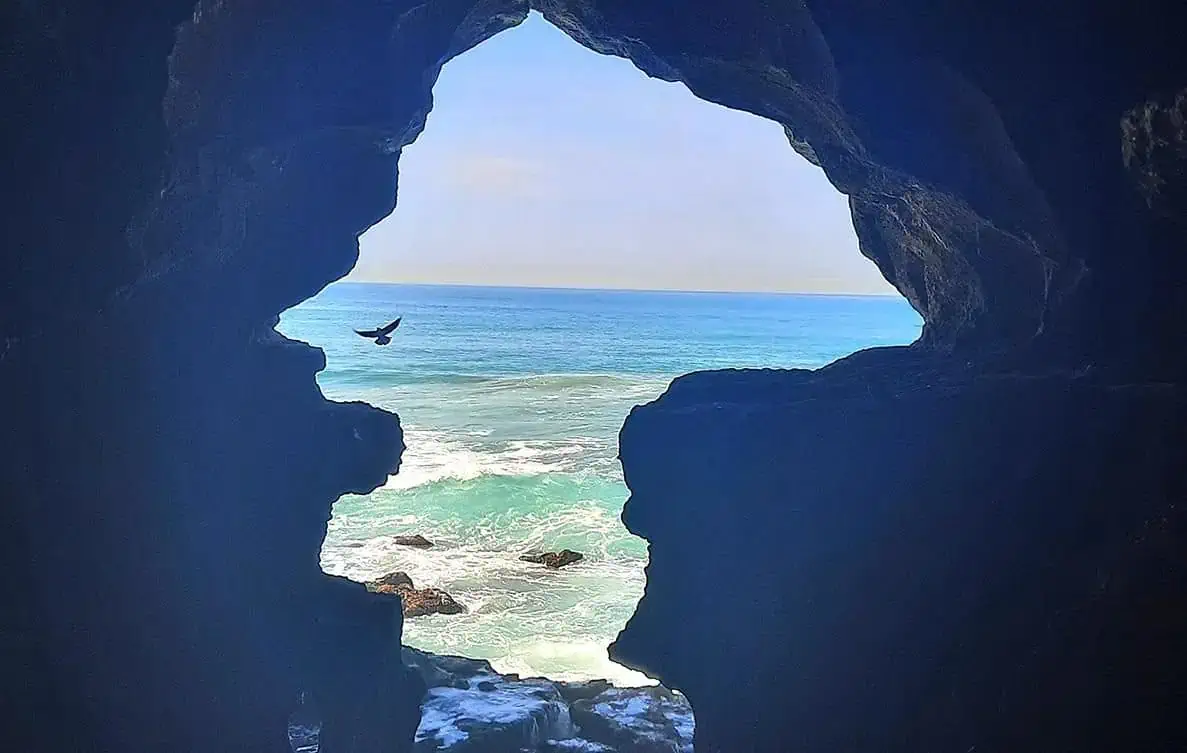
Journey with us as we delve into the enigmatic world of Hercules Cave, an ancient site steeped in mythology and history. Located near the bustling city of Tangier in northern Morocco, the caves offer a fascinating blend of natural beauty and captivating legends.
In this comprehensive guide, we'll uncover the mysteries of Hercules Cave, providing you with all the information you need to know for an unforgettable visit.
The Allure of Hercules Cave
Hercules Cave, also known as Grottoes of Hercules, is a stunning natural wonder situated approximately 14 kilometers west of Tangier. The caves overlook the Atlantic Ocean and offer breathtaking views of the Moroccan coastline. With its intriguing history, mesmerizing rock formations, and ancient carvings, Hercules Cave provides a unique experience for history buffs, myth enthusiasts, and nature lovers alike.The Legend of Hercules and the Caves
The caves derive their name from the Greek hero Hercules, who, according to mythology, was tasked with completing twelve labors to redeem himself for the murder of his wife and children. One of these labors was to retrieve the golden apples of Hesperides, which were guarded by the hundred-headed dragon Ladon. Legend has it that Hercules rested in these caves after successfully completing this arduous task, and the site has been associated with the hero ever since.Geology and Formation of Hercules Cave
The Hercules Cave complex is predominantly composed of limestone, formed millions of years ago by the natural processes of erosion and water infiltration. The caves feature a variety of fascinating geological formations, including stalactites and stalagmites, which have taken shape over millennia. The most famous of these formations is the "Map of Africa," a unique opening in the cave that resembles the shape of the African continent when viewed from a certain angle.The Archaeological Significance of Hercules Cave
Beyond the myths and legends surrounding Hercules Cave, the site also holds significant archaeological importance. Excavations have revealed that the caves were inhabited by prehistoric humans, with evidence of occupation dating back to the Neolithic period. Artifacts discovered within the caves, including pottery, tools, and carvings, provide invaluable insight into the lives of these ancient inhabitants and their connection to the region's history.How to Get to Hercules Cave?
Reaching Hercules Cave is relatively straightforward, with several options available for travelers. The most common methods of transportation include guided tours, taxis, and rental cars.- Guided Tours: Numerous tour companies in Tangier offer half-day or full-day excursions to Hercules Cave, often combined with other nearby attractions such as Cape Spartel and the Tangier Medina. These tours typically include transportation, a knowledgeable guide, and entrance fees.
- Taxis: Hiring a taxi is a convenient way to reach Hercules Cave, allowing you to explore at your own pace. Be sure to negotiate the fare in advance, and consider arranging a round-trip to ensure your return to Tangier.
- Rental Cars: For those who prefer to explore independently, renting a car offers the flexibility to visit Hercules Cave and other nearby attractions on your own schedule. The drive from Tangier to Hercules Cave takes approximately 30 minutes along a scenic coastal road.
The Best Time to Visit Hercules Cave
While Hercules Cave can be visited year-round, the optimal time to explore this fascinating site depends on your personal preferences and travel plans.Spring (March to May)
The mild temperatures and blooming landscapes of spring make this an ideal time to visit Hercules Cave. The weather is generally pleasant, allowing for a comfortable exploration of the caves and surrounding areas.Summer (June to August)
The summer months in Morocco can be quite hot, with temperatures occasionally reaching over 30°C (86°F). While the caves themselves provide a respite from the heat, the journey to and from Hercules Cave may be less comfortable during this time.Autumn (September to November)
Similar to spring, autumn offers moderate temperatures and fewer crowds, making it an excellent time to visit Hercules Cave. The changing colors of the landscape add an additional layer of beauty to the experience.Winter (December to February)
Winters in Morocco are generally mild, with cooler temperatures and occasional rainfall. While visiting Hercules Cave during this time is still possible, be prepared for cooler and potentially wetter conditions.What to Expect During Your Visit
Upon arrival at Hercules Cave, visitors are greeted by a stunning view of the Moroccan coastline and the Atlantic Ocean. The entrance to the caves is adorned with a modern sculpture of Hercules, setting the stage for the mythological journey ahead. As you venture into the caves, you'll be met with a captivating blend of natural beauty and ancient history. The winding passageways reveal mesmerizing rock formations, while the walls are adorned with carvings and inscriptions that provide a glimpse into the past. Be sure to keep an eye out for the famous "Map of Africa" formation, which is best viewed from a designated platform within the cave. Guided tours of Hercules Cave are available, providing valuable insight into the site's history, geology, and mythology. These tours typically last around 30 minutes and are offered in multiple languages.Tips for Visiting Hercules Cave Morocco
To ensure a memorable and enjoyable visit to Hercules leg Cave, keep these tips in mind:- Wear comfortable, non-slip shoes, as the cave floors can be uneven and slippery.
- Bring a light jacket or sweater, as the temperature inside the caves can be cooler than outside.
- Respect the natural environment by refraining from touching or damaging the cave formations.
- Be aware that there may be an entrance fee for visiting Hercules Cave, which can be paid in cash upon arrival.
- Don't forget your camera to capture the awe-inspiring beauty of the caves and their surroundings.