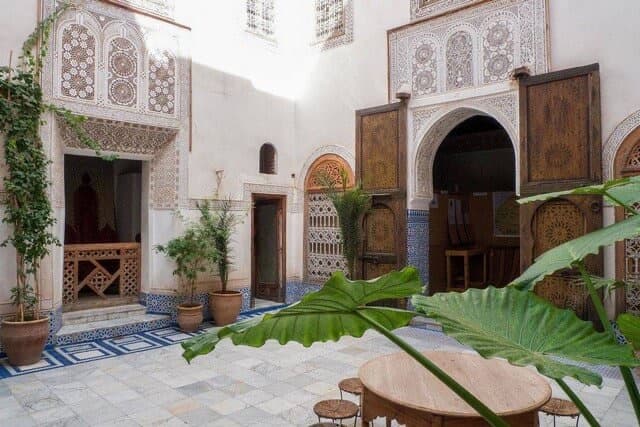
Located in a beautifully restored riad and ideally situated between the Bahia Palace and Dar Si Said, the Tiskiwin Museum in Marrakech (also known as Maison Tiskiwin) commands the admiration of visitors.
This remarkable establishment offers a captivating insight into the richness of Berber culture that has shaped this region for centuries.
Prepare to embark on a fascinating journey through the history and cultural diversity of Marrakech as you immerse yourself in this captivating collection that celebrates the Berber heritage.
Bert Flint, the Initiator of this Museum
Bert Flint, known as the initiator of the Tiskiwin Museum, is a prominent figure in the preservation of Berber culture in Marrakech. Born in the Netherlands, he dedicated his life to studying and promoting the traditional arts and crafts of North Africa.
His frequent travels to Morocco fueled his passion for Berber culture, and he was deeply inspired by the beauty and richness of its traditions.
Through his determined efforts, Bert Flint successfully established the Tiskiwin Museum in 1996, also known as the Bert Flint Museum.
His goal was to preserve and promote Berber culture by showcasing precious art objects and artifacts (musical instruments, furniture, jewelry, costumes, carpets, and Berber craftsmanship tools).
Bert Flint's intention in establishing the museum was to create a space where visitors could explore and appreciate the cultural diversity of Morocco.
He wanted to share his love for Berber art, traditional architecture, and authentic handicrafts with the public.
Thanks to Bert Flint's vision, the Tiskiwin Museum is now an essential destination for art enthusiasts, historians, and curious travelers.
Tiskiwin, the Art of Adornment
The Importance of Adornment in Berber Culture
Adornment plays a significant role in Berber culture, reflecting both refined aesthetics and the social role of this community.
Berber adornment stands out for its diversity and distinctiveness, encompassing a multitude of elements such as jewelry, textiles, and accessories, all crafted with exceptional precision and creativity.
Adornment is considered an inheritance passed down from generation to generation, representing the identity and pride of Berber women.
Each piece of adornment carries its own significance and can tell a specific story, whether it's related to a wedding, a religious ceremony, or a significant event.
Beyond its decorative aspect, the art of adornment plays a crucial role in Berber traditions. It is often associated with rites of passage, community celebrations, and transitional moments in individuals' lives.
Jewelry and ornaments are proudly worn at weddings and festivities, reflecting the family's social status and wealth. They are also considered protective talismans, believed to bring luck and good fortune.
The Berber art of adornment attests to the exceptional creativity and craftsmanship of local artisans who use materials such as silver, coral, beads, and gemstones to create unique pieces.
Examples of Adornments at the Tiskiwin Museum
The Tiskiwin Museum in Marrakech houses a remarkable collection of Berber adornments that illustrate the diversity and beauty of this ancient art.
Among the showcased examples are finely crafted silver necklaces adorned with intricate pendants and geometric patterns. These necklaces hold great importance in Berber culture, symbolizing wealth, fertility, and protection against malevolent forces.
Engraved silver bracelets adorned with gemstones or coral are also outstanding pieces in the collection. These bracelets were traditionally worn by Berber women as a sign of beauty and social status.
Each motif engraved on these bracelets can tell a specific story or represent symbols of protection and prosperity. Decorative silver fibulae, used to fasten clothing, also occupy a prominent place in the museum.
They are often adorned with gemstones and feature intricate patterns. Fibulae were considered essential adornments in Berber weddings and ceremonies, symbolizing unity and protection.
Each adornment displayed at the Tiskiwin Museum holds deep cultural significance. They reflect the beliefs, rituals, and history of the Berber community.
The Tiskiwin Museum Collection in Marrakech
Bert Flint's collection, fueled by his passion for Moroccan folk art, encompasses a wide range of areas such as art, art deco, craftsmanship, and ethnology, resembling a versatile museum.
In addition to aesthetically and historically valuable objects, this collection stands out with precise explanations and admirable presentation in French. It is truly captivating.
Among the elements it contains, you can find musical instruments, costumes, jewelry, adornments, furniture, carpets, as well as ancient utensils and Berber handicrafts, primarily from the Souss Valley and the Saharan region.
Through his collection, Bert Flint highlights the contribution of Africa and sub-Saharan Africa.
Exploration Inside the Tiskiwin Museum
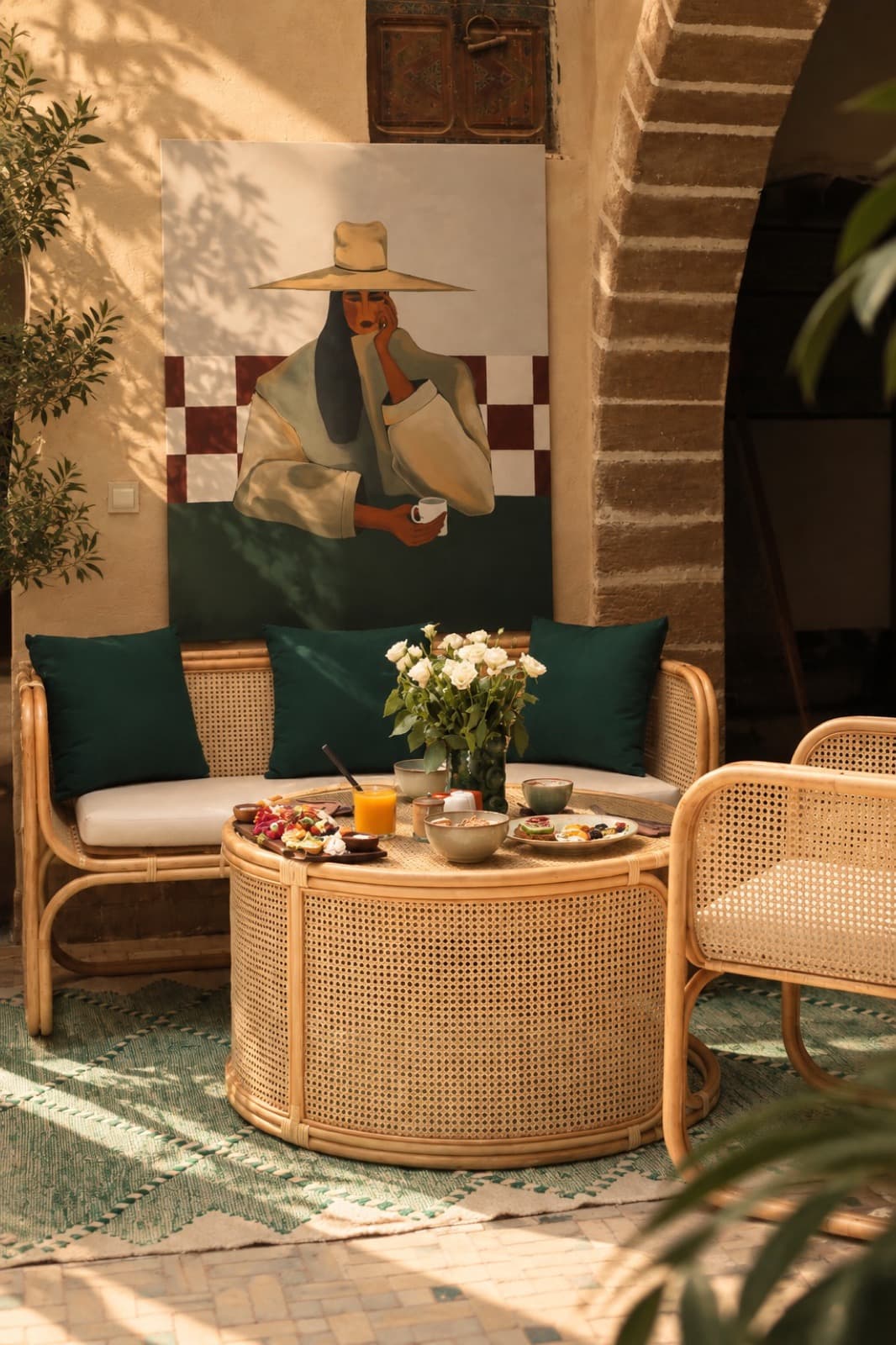
Inside this fascinating abode, you'll find two charming courtyards adorned with tables and chairs, embellished with some shrubs, and graced with magnificent mosaics characteristic of the region.
These spaces provide the perfect spot to settle in comfortably with a cup of tea and feel right at home. The atmosphere is peaceful and conducive to relaxation. Once refreshed, you can pass through the two large doors that lead to the long-awaited collection.
This museum is incredibly comprehensive, and you can spend hours admiring the various pieces spread across two floors.
Upon your arrival, a highly detailed booklet will be handed to you at the entrance, essential for fully enjoying the visit and orienting yourself both geographically and historically.
On the ground floor, you'll follow the path from Mauritania to the Western High Atlas, where you'll primarily discover furniture and tapestries.
On the first floor, the tour continues through the regions of the High and Middle Atlas, presenting items belonging to the Tuaregs, Berber tents, and historical relics such as the collection of praises dedicated to the Prophet Muhammad.
Practical Information about the Tiskiwin Museum in Marrakech
1) Opening Hours and Admission
The Tiskiwin Museum welcomes visitors every day throughout the year, from 8:30 AM to 12:30 PM and from 2:30 PM to 6:00 PM. The entrance fee is set at 20 Moroccan Dirhams (10 Dirhams for children).
2) How to Get There?
The Tiskiwin Museum is located at the southern end of the Medina, near the Bahia Palace. It's about a 10-minute walk from Jemaa el-Fna Square.
To get there, simply head south along Zitoun Jdid and follow the signposts. If you prefer to take a taxi, it's easier to ask to be taken to the Bahia Palace, which is close to the Tiskiwin Museum.
What Are the Nearest Attractions to the Tiskiwin Museum?
The Tiskiwin Museum benefits from a prime location near several remarkable attractions. Right next door is the Bahia Palace, a magnificent palace with rich architectural decor and lush gardens.
Although some people may not find the Bahia Palace impressive, it is, in fact, one of the most beautiful buildings to visit, and you will certainly not regret investing the 10 Dirhams for entry.
Also nearby is the El Badi Palace, a former royal palace known for its extensive ruins and fascinating history. A visit will transport you through time and immerse you in Morocco's history.
Upon your arrival, you'll be instantly impressed by the vast gardens that majestically surround the palace.
A little further on, you'll reach the famous Jemaa el-Fna Square, a lively square where you can experience the essence of Moroccan life, with its food stalls, musicians, and street artists.
Conclusion
The Tiskiwin Museum represents an important showcase of Moroccan cultural heritage, offering a unique opportunity to delve into the history and artistic richness of Morocco.
The museum's diverse collections, including craft objects, works of art, and testimonies of traditional Moroccan life, allow visitors to gain a better understanding of local culture and traditions.
If you are interested in discovering Moroccan art, craftsmanship, and history, we strongly encourage you to visit the Tiskiwin Museum. It's an immersive and enriching experience that will allow you to fully appreciate the cultural wealth of this region.